
When it comes to the mysteries of the animal kingdom, the elephant’s foot stands out like a giant, gray enigma. These majestic creatures, with their impressive size and gentle demeanor, have feet that are anything but ordinary. So what’s the secret sauce behind those hefty hooves? Spoiler alert: it’s not made of marshmallows or cotton candy, though that would certainly add a whimsical touch!
The elephant’s foot is a marvel of nature, designed for strength and stability. Understanding its composition reveals a fascinating blend of materials that support these gentle giants as they roam their habitats. From the tough outer skin to the intricate inner structures, each part plays a crucial role. Get ready to dive into the world of elephant feet, where science meets a bit of fun, and discover what makes these massive appendages so uniquely suited for life on Earth.
What Is The Elephant’s Foot Made Of
An elephant’s foot consists of several key materials that contribute to its unique structure. The outer layer, made from thick, tough skin, provides protection against harsh terrains and environmental factors. Beneath this layer lies a specialized cushioning system composed of fat and connective tissue. This internal structure helps absorb shock and supports the massive weight of the elephant.
Bone also plays a critical role, forming a solid foundation within the foot. The phalanges make up the bones of each toe, allowing flexibility and movement. Each foot contains a unique arrangement of bones that enhances stability, especially when traversing uneven surfaces.
Moreover, the composition includes a distinct heel pad, which acts as an additional shock absorber. This structured pad adapts to various surfaces, ensuring comfort while walking. The combination of these materials creates an effective balance between strength and functionality.
Mud and dust accumulation on an elephant’s feet can aid in thermoregulation as well. This natural behavior helps cool the foot’s surface, especially in hot climates. While the physical properties of the foot are essential for mobility and survival, they also showcase the remarkable adaptability of elephants living in diverse environments.
Detailed studies of elephant feet reveal that these structures are designed for enduring hardship and provide insights into the evolutionary processes that shape wildlife. Understanding the elements that make up an elephant’s foot illuminates their significance in supporting these majestic creatures.
Composition Breakdown
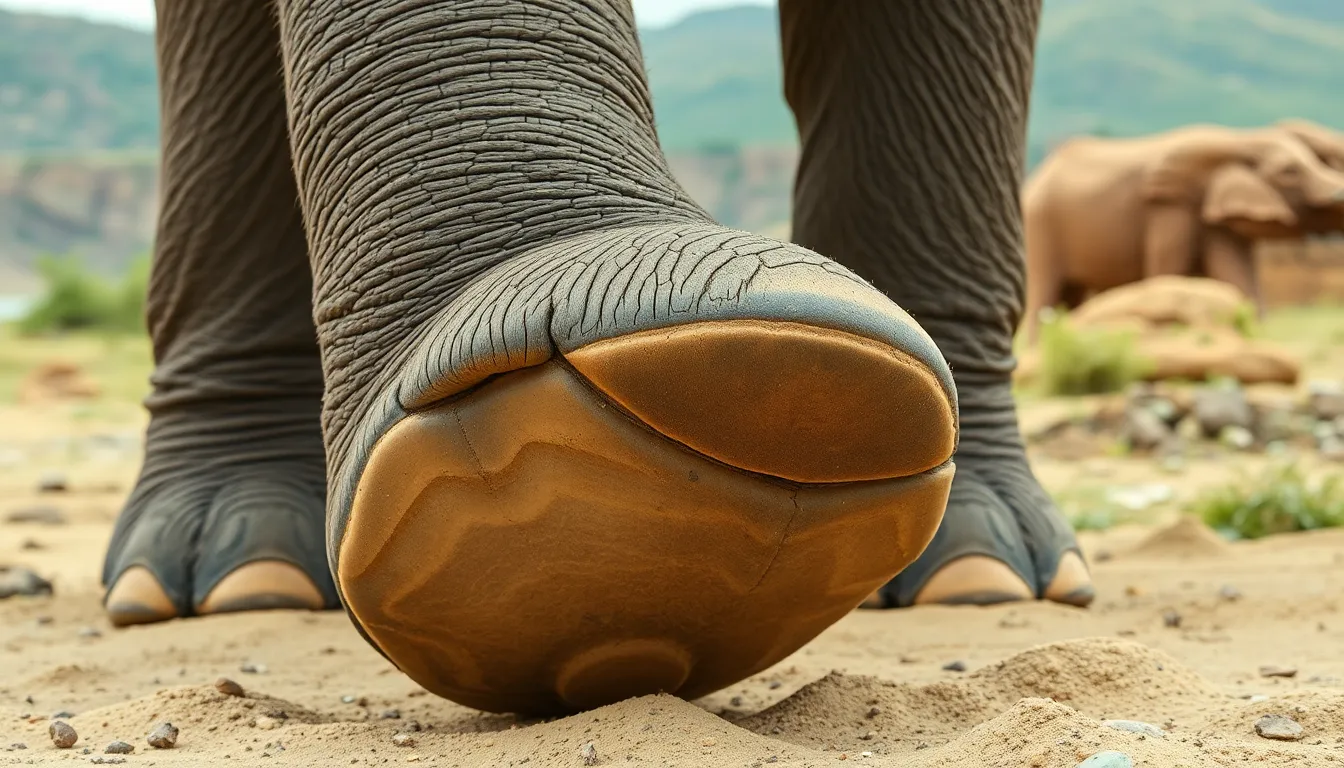
The structure of an elephant’s foot consists of several major components that work together to provide strength and support.
Major Components
Thick skin forms the outer layer, offering protection against rugged environments. Beneath the skin, a cushioning system made of fat and connective tissue absorbs shock, which is vital given the elephant’s immense weight. The bones, specifically the phalanges, contribute to flexibility and enable smooth movement. A specialized heel pad adds another layer of shock absorption, adapting effectively to different terrains, while enhancing comfort during locomotion. This unique combination of materials supports the elephant’s ability to traverse diverse landscapes.
Trace Elements
Trace elements in an elephant’s foot include minerals like calcium, phosphorus, and magnesium. These minerals are crucial for maintaining bone strength and overall foot health. Additionally, the presence of collagen within connective tissues aids in flexibility and resilience, which allows the foot to withstand significant pressure. Trace elements also play a role in metabolic processes that support growth and maintenance of foot structures. Ultimately, these components ensure the foot functions optimally while supporting the elephant’s large body.
Formation Process
The formation of an elephant’s foot involves several critical stages. Initially, the outer layer consists of thick skin that develops for protection against the environment. At this stage, the foot begins to form its unique structure, which includes tough skin that can endure various terrains.
Initial Stages
During the initial stages, skin layers form around a core of connective tissues and fat. These materials provide cushioning, allowing the foot to support the elephant’s immense weight without injury. Bones, including phalanges, emerge, contributing to the foot’s ability to flex while maintaining strength. Together, these components work harmoniously, setting the foundation for a robust foot structure.
Changes Over Time
Over time, the elephant’s foot evolves to adapt to changing environments. Growth occurs as the animal matures, with bones and tissues gradually developing for enhanced stability. Additionally, ongoing wear and tear from movement lead to natural adaptations, such as thicker skin and better shock-absorbing features. Through this process, the elephant’s foot not only becomes resilient but also develops traits that suit its habitat and lifestyle.
Implications and Risks
Maintaining the health of an elephant’s foot has significant implications for its overall well-being. Pressure injuries may arise when an elephant’s foot sustains too much weight over time. These injuries often result from prolonged exposure to hard surfaces and lack of natural habitats.
Damage to the cushioning system can lead to mobility issues, affecting the elephant’s ability to traverse various terrains. A compromised foot structure also makes elephants more vulnerable to infections from injuries. Infected feet may prevent these animals from foraging effectively, which impacts their health and survival.
Stress fractures in bones can occur when excessive strain is placed on the foot. Such fractures lead to chronic pain, limiting their range of movement and causing behavioral changes. Overall foot health relies on a balanced diet rich in trace elements, like calcium, phosphorus, and magnesium. A diet deficient in these nutrients can weaken bones and connective tissues, making elephants more susceptible to foot-related issues.
Foot health also influences the social dynamics within herds. Injured elephants may struggle to keep up with the group, which can affect bonding and protection from predators. Environmental changes bring additional risks; habitat loss and climate change could reduce available soft surfaces for elephants to walk upon. This shift may lead to increased foot injuries and negatively impact their quality of life.
Addressing these risks requires careful management and conservation efforts. Providing elephants with spaces that mimic their natural environments helps preserve foot health. Continuous monitoring of their foot condition allows for early intervention. Prioritizing foot care strategies enhances the longevity and stability of these majestic animals.
The intricate design of an elephant’s foot is a testament to nature’s engineering prowess. Each component plays a vital role in ensuring these majestic creatures can navigate their environments with grace and stability. From the protective outer skin to the specialized cushioning systems and resilient bones, every aspect contributes to their overall health and mobility.
Understanding the composition and functionality of elephant feet highlights the importance of conservation efforts. Protecting their natural habitats and ensuring access to soft surfaces is crucial for their foot health. By appreciating the complexity of elephant feet, one can better advocate for the preservation of these incredible animals and their ecosystems.