
Stovetop cooking is a timeless culinary method that brings warmth and flavor to kitchens around the world. Whether it’s a quick weeknight dinner or an elaborate weekend feast, the stovetop offers versatility that few other cooking methods can match. From sautéing vegetables to simmering rich sauces, it allows home cooks to control heat and timing, creating delicious meals with ease.
As more people embrace home cooking, understanding the ins and outs of stovetop techniques becomes essential. Not only is it efficient, but it also fosters creativity, making it easier to experiment with flavors and ingredients. In this article, readers will discover the benefits of stovetop cooking, essential tips for mastering the technique, and some mouthwatering recipes to inspire culinary adventures.
Overview Of Stovetop Cooking
Stovetop cooking is a fundamental method that involves preparing food using a heat source on top of a stove. This technique encourages both creativity and precision in the kitchen.
What Is Stovetop Cooking?
Stovetop cooking encompasses various techniques used to prepare meals on a stovetop, including boiling, sautéing, frying, simmering, and steaming. It requires pots, pans, or skillets placed directly over burners, utilizing gas, electric, or induction heat. Each method varies in temperature and cooking time, providing cooks with diverse ways to achieve desired flavors and textures.
Benefits Of Stovetop Cooking
- Control Over Temperature: Stovetop cooking allows precise control of heat levels, enhancing the ability to adapt cooking processes for different ingredients.
- Faster Cooking Times: Stovetop techniques generally lead to quicker meal preparation compared to other methods, such as baking or slow cooking.
- Versatility: Stovetop cooking supports a wide range of recipes, accommodating various cuisines and dietary needs.
- Accessibility: Most kitchens are equipped with stovetops, making this method readily available to home cooks.
- Flavor Development: Techniques like browning, deglazing, and sautéing build deep flavors through caramelization and the Maillard reaction, enhancing overall taste.
- Minimal Equipment Required: Basic cookware is usually sufficient for stovetop cooking, minimizing the need for specialized tools.
Essential Stovetop Cooking Equipment
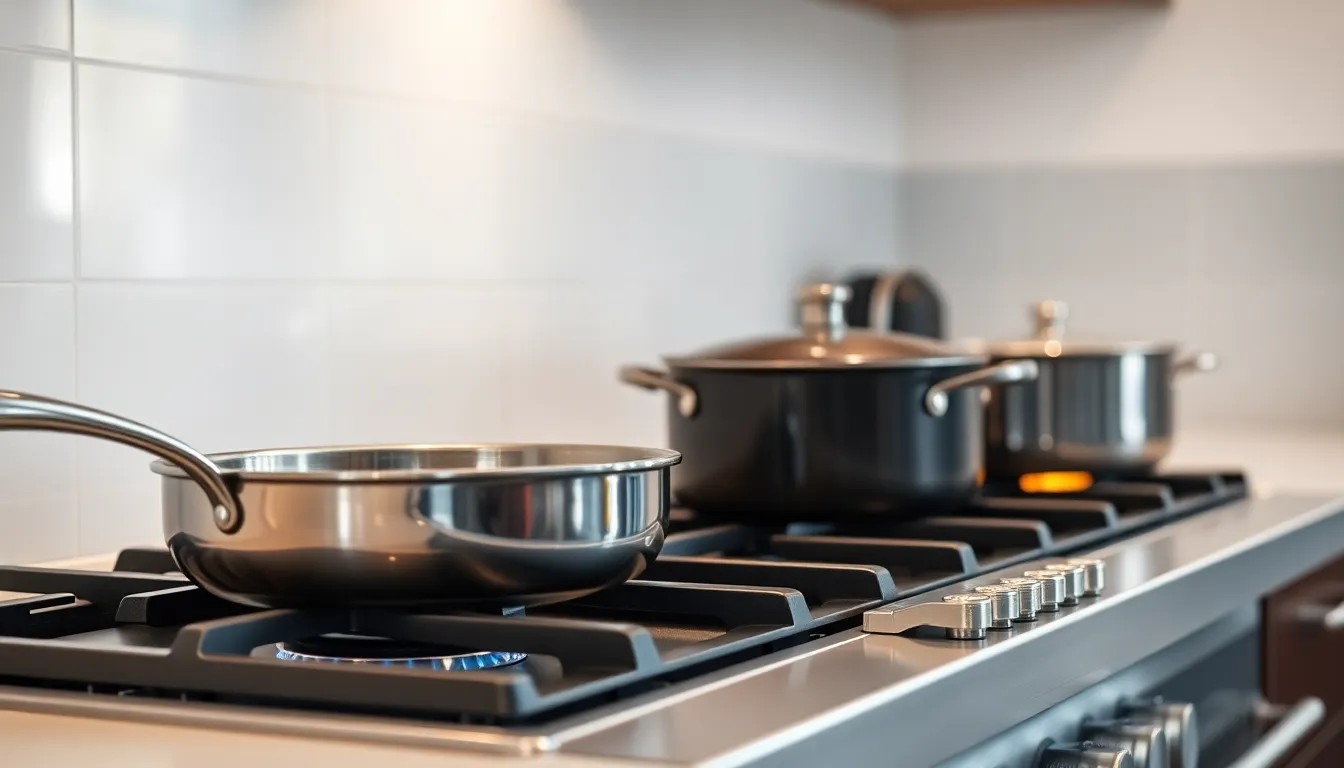
Stovetop cooking requires specific equipment that enhances efficiency and creativity. Below are key categories of stovetop equipment essential for any home cook.
Types Of Stovetops
- Gas Stovetops: Gas stovetops use an open flame, providing immediate heat adjustment. They offer visual feedback, allowing cooks to gauge cooking levels quickly.
- Electric Stovetops: Electric stovetops utilize heating elements that warm gradually. They maintain consistent temperatures, although they lack the immediate responsiveness of gas.
- Induction Stovetops: Induction stovetops use magnetic fields to heat cookware directly. They provide rapid heating and allow for precise temperature control, making them energy-efficient.
Cookware For Stovetop Cooking
- Skillets: Skillets are versatile for frying, sautéing, and browning. Non-stick, stainless steel, and cast-iron options are popular choices.
- Saucepans: Saucepans are essential for boiling, simmering, and making sauces. They come in various sizes, accommodating different cooking volumes.
- Stockpots: Stockpots are ideal for making soups, stews, and boiling large quantities. Their capacity makes them crucial for batch cooking.
- Dutch Ovens: Dutch ovens allow for slow cooking, braising, and baking. Their heavy, thick construction ensures even heat distribution.
- Woks: Woks excel in stir-frying, steaming, and deep-frying. Their rounded shape promotes even cooking and allows for high-heat techniques.
Equipping a kitchen with the right stovetop and cookware facilitates efficient and enjoyable cooking experiences.
Techniques And Methods
Stovetop cooking encompasses a variety of techniques that enhance flavors and optimize cooking processes. The following methods are essential for mastering stovetop cooking.
Sautéing
Sautéing involves cooking food quickly in a small amount of fat over medium to high heat. This technique enhances flavor through caramelization, creating a rich taste and texture. Ideal for vegetables, meats, and seafood, sautéing requires constant stirring or flipping to ensure even cooking. Using a skillet or sauté pan, cooks can easily incorporate herbs and spices, intensifying flavors in the process.
Boiling
Boiling entails cooking food in water or broth at high temperatures, usually around 212°F (100°C). It suits pasta, grains, and vegetables. Maintaining a rolling boil allows for even cooking and tenderness. The cooking time varies based on the food type, with pasta typically requiring 8-12 minutes, while vegetables may need 3-10 minutes. Adding salt to the boiling water enhances the flavor of the ingredients.
Simmering
Simmering occurs at lower temperatures, usually between 180°F and 205°F (82°C – 96°C). It is perfect for soups, stews, and sauces, where longer cooking times deepen flavors and promote tenderness. Simmering allows ingredients to meld, creating complex tastes. This method typically involves gentle bubbling rather than a vigorous boil, preventing overcooking or scorching.
Browning
Browning refers to cooking food at high heat to develop a deep color and rich flavor. This technique enhances the natural sugars in meats and vegetables, promoting the Maillard reaction. It is commonly used for meats before stewing or braising, creating a depth of flavor. Using a heavy-bottomed skillet or cast iron pan aids in achieving an even browning outcome. Properly browning enhances overall dish quality significantly.
Tips For Successful Stovetop Cooking
Mastering stovetop cooking involves attention to temperature and timing, both crucial for achieving optimal results.
Temperature Control
Temperature control plays a vital role in stovetop cooking. Adjusting heat settings can determine the success of various cooking techniques.
- Utilize heat zones: On gas stovetops, aiming for low, medium, and high flame zones helps in precise cooking.
- Monitor electric stovetops: Electric burners take time to heat up and cool down; practice patience during adjustments.
- Understand induction stovetops: Induction heats cookware directly, providing quick temperature changes; select the right cookware for efficiency.
- Use a thermometer: Employing an instant-read thermometer ensures accurate food temperatures, particularly for meats and candies.
Timing Strategies
Timing significantly impacts stovetop cooking, influencing both texture and flavor.
- Prep ingredients: Ensure all ingredients are chopped and measured before starting to maintain a seamless cooking flow.
- Follow recipe guidelines: Keeping track of recommended cooking times prevents overcooking or undercooking foods.
- Use timers: Setting timers for each stage of cooking allows for consistent results.
- Check for doneness: Regularly assess food textures and colors, adjusting times as needed based on specific ingredients.
By applying effective temperature control and timing strategies, cooks can achieve successful and flavorful stovetop dishes.
Stovetop cooking remains an essential skill for home cooks seeking to elevate their culinary creations. With its ability to offer precise control over heat and cooking times, this method encourages creativity and experimentation in the kitchen. The variety of techniques available allows for a diverse range of dishes, catering to different tastes and preferences.
Equipping a kitchen with the right stovetop and cookware can enhance the overall cooking experience. As cooks embrace these techniques and tips, they’ll discover the joy of crafting flavorful meals that bring family and friends together. Stovetop cooking not only nurtures culinary skills but also fosters a deeper appreciation for the art of home cooking.