If you’ve ever found yourself staring at a slab of meat, wondering how on earth to turn it into a culinary masterpiece, you’re not alone. Cooking steak is both an art and a science, and it’s easy to feel overwhelmed. But worry not. With the right techniques, you’ll be flipping steaks like a seasoned pro in no time. Ready to become the steak guru of your barbecue brigade? Let’s jump into the delicious world of steak cooking techniques, one mouthwatering bite at a time.
Choosing the Right Cut of Steak
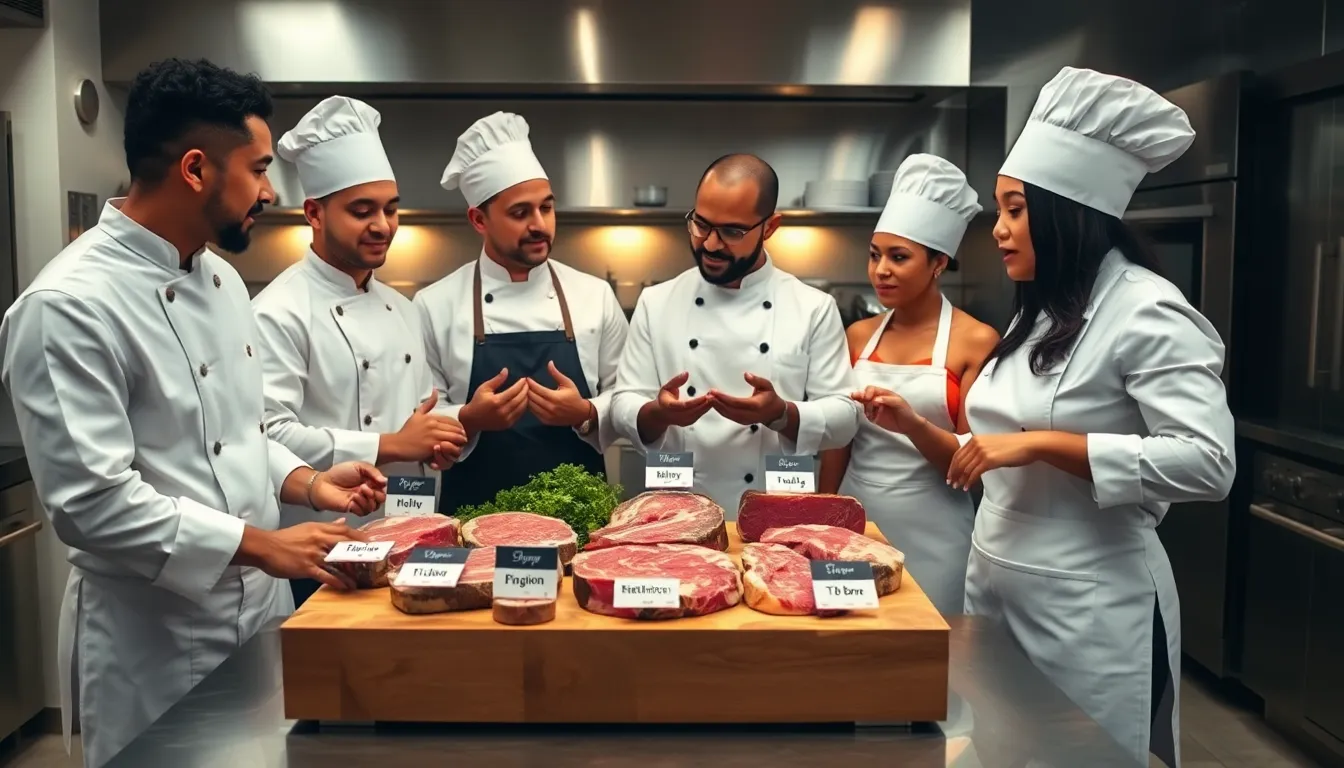
The first step to steak success is selecting the perfect cut. Not all steaks are created equal. They vary not only in flavor but also in texture and tenderness.
Common Cuts to Consider:
- Ribeye: Known for its marbling, this cut is rich in flavor and provides a buttery texture. It’s perfect for grilling.
- Sirloin: This leaner cut is versatile and can be cooked in several ways. While it lacks some of the tenderness of ribeye, it’s often more affordable.
- Filet Mignon: Renowned for being the most tender cut, filet mignon is a favorite for those looking to impress. It’s best cooked to no more than medium-rare.
- T-Bone: Featuring both the strip steak and tenderloin, this cut offers the best of both worlds. It’s ideal for those who want a variety of flavors.
Choosing the right cut also involves considering how you plan to cook it. Thicker cuts are better suited for grilling or roasting, while thinner cuts can be quickly pan-seared. When in doubt, ask the butcher for recommendations based on your cooking method.
Understanding Cooking Methods
Selecting a cooking method is almost as important as choosing the right cut. Here’s a rundown of popular cooking techniques that can bring out the best in your steak.
Grilling Techniques
Grilling is a classic method that imparts that coveted smoky flavor. Preheat the grill and make sure the grates are clean. For a perfect steak, aim for a hot grill – about 450°F to 500°F. Sear each side for a few minutes to develop those beautiful grill marks, then reduce the heat to finish cooking. Keep an eye on the internal temperature to ensure it reaches your desired doneness.
Pan-Searing Techniques
Pan-searing is a great option for indoor cooking. Choose a heavy-bottomed skillet, preferably cast iron, and heat it until it’s smoking hot. Add a bit of oil, then place the steak in the pan. Sear for a few minutes on each side until a nice crust forms. Finish it in the oven if you’re working with a thicker cut. To infuse extra flavor, throw in a few cloves of garlic or sprigs of rosemary towards the end.
Roasting Techniques
Roasting is a fantastic way to cook larger cuts. For this method, preheat your oven to about 375°F. Season the steak liberally and place it on a roasting pan. Roast until the internal temperature hits your target doneness. Don’t forget to let it rest before slicing to ensure the juices redistribute. This method is especially rewarding for cuts like prime rib.
Sous Vide Cooking
Sous vide is a revolutionary cooking technique that has taken the culinary world by storm. By cooking steak in a water bath at a precisely controlled temperature, it guarantees even doneness throughout the meat.
To start, season the steak and vacuum seal it in a bag. Submerge the bag in a water bath heated to your desired temperature, typically around 130°F for medium-rare. Cook for one to four hours depending on the thickness. Once it’s done, finish with a quick sear on a hot skillet or grill for a delicious crust. This method is foolproof and perfect for those who enjoy a steak cooked to perfection without worry.
Finishing Touches for Perfect Steak
After your steak is cooked to perfection, there are a few finishing touches that can elevate it even further.
Resting and Slicing Your Steak
Resting is essential. Allow your steak to rest for at least five to ten minutes after cooking. This lets the juices redistribute, ensuring each slice is flavorful and juicy. When it’s time to slice, do so against the grain. This technique breaks up the muscle fibers, leading to a more tender bite. Garnish with a sprinkle of sea salt or a drizzle of balsamic reduction for an extra pop of flavor.
Common Mistakes to Avoid
Even the most experienced home cooks can make mistakes when preparing steak. Here are a few blunders to steer clear of:
- Overcooking: This is a cardinal sin. Use a meat thermometer to check for doneness.
- Skipping the seasoning: Don’t underestimate the power of simple salt and pepper. They can dramatically enhance the flavor.
- Cutting into the steak too soon: Patience is a virtue here. Let that steak rest before slicing.
- Using a dull knife: A sharp knife is crucial for making clean cuts and preserving the integrity of your perfectly cooked steak.