
When a port strike hits, it’s like a traffic jam on steroids. What starts as a simple labor dispute can ripple through the entire supply chain, leaving everything from your favorite snacks to essential goods stuck in limbo. Picture your beloved avocado toast being held hostage by dockworkers—now that’s a tragedy worth crying over!
Overview of Port Strikes
Port strikes create significant disruptions in the supply chain, affecting the timely movement of goods. Disputes among dockworkers or management lead to halted operations at shipping ports. These stoppages directly impact various sectors, from consumer goods to manufacturing.
Goods often face delays at ports, leading to shortages. Essential items, like medicines and food products, become hard to find. Importers experience increased costs as shipping routes shift, exacerbating the situation. Retailers may struggle to restock shelves, leaving consumers frustrated.
The impact on specific industries highlights the far-reaching consequences of port strikes. The automotive sector relies heavily on just-in-time deliveries, leading to production slowdowns. Electronics manufacturers also face production delays, amplifying the shortage of popular items.
Statistics reveal the substantial loss in economic output during strikes. Recent labor disputes have caused losses exceeding $900 million per week. Each day a port remains closed contributes to this staggering figure.
Shippers and importers often seek alternative routes, but these can be less efficient. Rail and truck transport may help, but they also bring additional costs and longer transit times. In turn, prices increase for consumers as expenses are passed down the supply chain.
In essence, port strikes represent an alarming threat to the stability of global trade. Stakeholders across various industries must remain vigilant to manage these disruptions effectively. Understanding this impact highlights the importance of maintaining strong labor relations within the workforce.
Key Items Affected by Port Strike
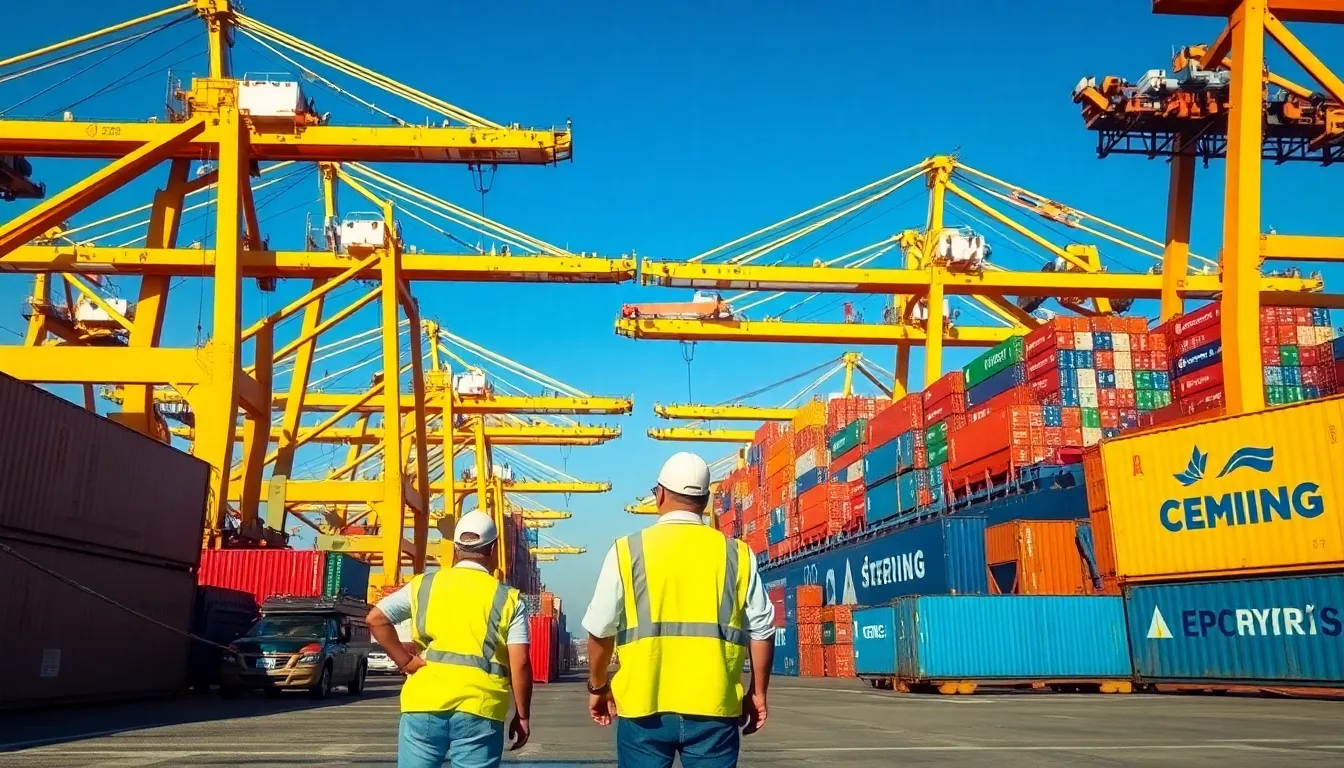
Port strikes significantly impact the availability of various items across the supply chain. The following categories are particularly vulnerable during these disruptions.
Consumer Goods
Food products like snacks, beverages, and personal care items often face shortages. Businesses rely on timely shipments to keep their shelves stocked. Strikes obstruct shipments, causing delays in restocking and ultimately leading to increased prices. Essential goods like medicines also suffer shortages, particularly when ports halt the movement of critical imports. Retailers may struggle to meet consumer demand due to unpredictable supply schedules. Increased costs for shipping alternatives often get passed down to consumers.
Raw Materials
Industries relying on raw materials experience significant setbacks during port strikes. Construction sectors often face delays in receiving steel and lumber, hindering project timelines. The manufacturing of goods like textiles and packaging materials also slows due to raw material shortages. Production plants may halt operations, causing a ripple effect across various industries. Strikes lead to inflated prices for affected materials, affecting overall production costs and timelines. Suppliers seek alternatives, but the response may not meet immediate industry demands.
Electronics
The electronics sector grapples with production delays due to port strikes. Companies reliant on imported components face shortages that hinder assembly lines. High-demand products like smartphones and laptops see significant, often extended shipping delays. Manufacturers frequently battle increased costs as they search for alternative shipping routes. Consumers may notice price increases and availability issues for popular electronics. Strikes disrupt not only supply chains but also consumer access to the latest technology, impacting monthly sales performance for retailers.
Economic Impact of Port Strikes
Port strikes significantly disrupt the supply chain, creating a ripple effect across various sectors. Goods face delays as shipping operations grind to a halt, which affects everything from electronics to groceries. Ports serve as critical hubs; when strikes occur, shipments can back up for days or even weeks. Essential items like food products, personal care items, and raw materials often experience shortages as the flow of goods is interrupted. Companies reliant on timely delivery for production suffer from slowdowns. The construction and manufacturing industries find themselves unable to meet project deadlines due to delays in material availability.
Price increases frequently accompany port strikes, causing direct impacts on consumer expenses. Importers compensate for delays by using more expensive shipping alternatives, a situation that translates into higher retail prices. Food items, electronics, and personal care goods commonly see price spikes, leading to increased consumer spending. Statistics indicate that economic losses from labor disputes exceed $900 million per week, illustrating the broader economic implications. Prices for critical products may rise unpredictably as supply struggles to catch up with demand, further exacerbating challenges for consumers.
Mitigation Strategies for Businesses
Businesses can implement several strategies to navigate the disruptions caused by port strikes. Priority lies in finding alternative methods to ensure steady supply chains.
Alternative Shipping Routes
Exploring alternative shipping routes offers immediate relief from port strike impacts. Rail or truck transportation may provide viable options, depending on distance and product type. Some businesses divert cargo to less affected ports. Utilizing air freight for urgent deliveries helps maintain inventory levels. Prioritizing logistics firms experienced in rerouting can minimize delays and costs. Each decision taken should consider the urgency of shipments and cost implications.
Inventory Management
Effective inventory management becomes essential during port strikes. Assessing stock levels can identify critical shortages that require immediate attention. Increasing safety stock for high-demand products protects against sudden outages. Using just-in-time inventory strategies allows businesses to adapt in real-time, adjusting orders based on changing conditions. Collaborating with suppliers to forecast demand helps ensure timely restocking. Implementing regular reviews can enhance visibility and lead to more informed decisions.
Port strikes create significant challenges across multiple sectors affecting the availability and pricing of essential items. As shipping operations come to a standstill, consumers face shortages of food products medicines and electronics. The ripple effect of these disruptions extends beyond immediate shortages leading to increased costs for businesses and consumers alike.
To navigate these turbulent waters companies must adapt and seek alternative shipping methods while enhancing inventory management practices. By prioritizing strong relationships with suppliers and staying proactive in demand forecasting businesses can mitigate some of the adverse impacts of port strikes. The need for resilience and flexibility in supply chains has never been more apparent as global trade continues to face unpredictable challenges.