
Italian cuisine is a delicious journey across flavors and aromas, and mastering the techniques behind it can transform any home cook into a culinary maestro. Whether you’re twirling pasta or simmering tomato sauce, understanding these cooking methods can elevate dishes from ordinary to extraordinary. So, grab your apron, and let’s jump into the mouthwatering world of Italian cooking techniques. After all, who wouldn’t want to impress their guests and family with a taste of la dolce vita?
Overview of Italian Cuisine
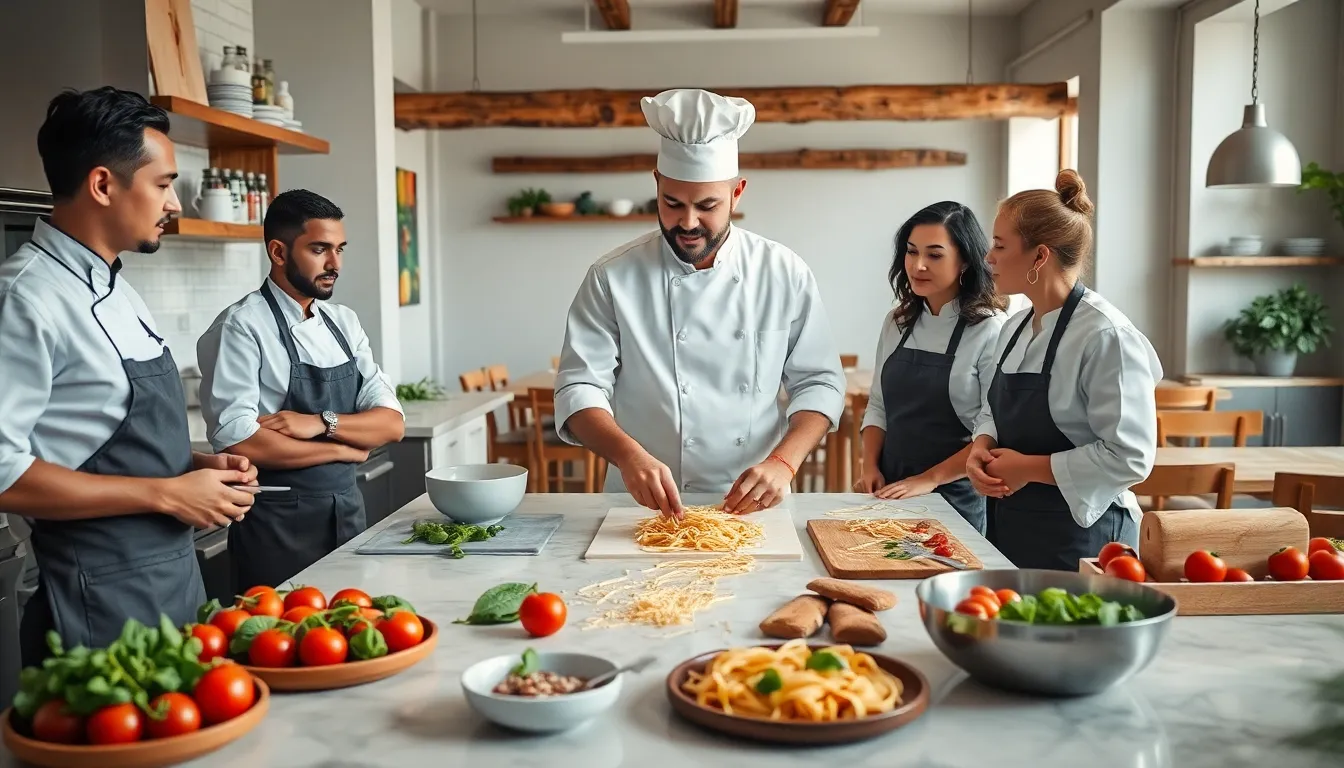
At its core, Italian cuisine is a celebration of fresh, high-quality ingredients. It thrives on simplicity and an unyielding respect for tradition. Think of it as a culinary love letter to the land, seasons, and Italian culture itself. From the rolling hills of Tuscany to the bustling streets of Naples, every bite tells a story of its origins. Pasta, olive oil, and tomatoes often lead the charge, but there’s so much more lurking in the depths of its rich history. Italians don’t just cook: they craft a lifestyle, blending food with family and friendship at the table.
The Essence of Italian Meals
Meals are often a convivial affair, where food is meant to be enjoyed rather than rushed through. It’s about gathering with loved ones, sharing laughter, and creating cherished memories, all while savoring amazing dishes. This ethos is deeply rooted in the way Italians cook and eat.
Celebrating Fresh Ingredients
Freshness and quality are paramount. Imagine biting into a juicy tomato in the summer or smelling fragrant basil straight from the garden. Seasonal ingredient awareness means that recipes adjust with the year, maximizing flavor while maintaining traditional methods. This connection to the land truly defines Italian cuisine.
Key Characteristics of Italian Cooking
Italian cooking is an art form shaped by several key characteristics that set it apart from other culinary traditions.
Simplicity is Sacred
Ever heard the phrase, “less is more”? In Italian cooking, this is not just a saying: it’s a guiding principle. Simple ingredients reign supreme, and they are celebrated in their purest form. Dishes like bruschetta showcase quality ripe tomatoes, fresh basil, and excellent olive oil without complicating the experience with unnecessary embellishments.
Regional Diversity
One of the most fascinating aspects of Italian cooking is its regional diversity. Each region brings its own flavors, techniques, and local ingredients to the forefront. Northern Italy embraces creamy risottos and polenta, while the South focuses on vibrant tomato-based sauces and fresh seafood. Each region maintains its culinary identity, making Italian cuisine incredibly diverse and enriched with history.
Focus on Seasonality
Italians are in tune with the seasons, which is reflected in their cooking. The calendar heavily influences meal preparation, allowing dishes to shine in periods when ingredients are at their peak. This dedication to seasonal cooking not only enhances flavors but also supports local farmers and markets.
Essential Italian Cooking Techniques
Mastering Italian cooking techniques opens a world full of flavors and enhances the cooking experience. Here are some must-know methods:
1. Sautéing
Sautéing is a cornerstone of Italian cooking, allowing for quick and flavorful results. Using olive oil over moderate heat, chefs can cook onions, garlic, or vegetables until tender, maximizing their natural essence. It’s often the first step in creating a rich sauce or flavorful dish.
2. Braising
Braising is perfect for tougher cuts of meat, transforming them into tender delights. Slow-cooked in a flavorful liquid, this technique infuses the meat with deep flavors, making it irresistible. Think of a hearty osso buco or braised short ribs steeped in rich broth, and it’ll be sure to tantalize taste buds.
3. Roasting
Roasting complements Italian cuisine beautifully, especially when it comes to vegetables and meats. Under high heat, foods caramelize, creating rich flavors and delightful textures. Whether it’s a whole chicken or root vegetables tossed in olive oil and herbs, roasting brings out an amazing depth of flavor.
4. Grilling
Grilling is an Italian favorite, especially during the warmer months. Utilizing charcoal or gas grills, cooks can achieve delicious smoky flavors on meats, seafood, and vegetables. Grilled pizza, anyone? Yes, please.
5. Baking
Baking holds a prominent position in Italy, particularly with its varieties of breads and pastries. From focaccia to tiramisu, the oven’s magic transforms basic ingredients into something extraordinary. Pastry techniques, like folding and layering, make a significant difference in texture and flavor.
Understanding Ingredients in Italian Cooking
The heart of Italian cooking lies in its ingredients, and no dish can succeed without them.
Fresh Herbs and Spices
Upon entering an Italian kitchen, the aromatic scent of fresh herbs often greets you. Parsley, basil, and oregano play pivotal roles in many recipes. These herbs bring freshness and brightness, enhancing the dish’s overall appeal. Spices like crushed red pepper can add a delightful kick.
Quality Olive Oil
Never underestimate the role of olive oil. It acts as both a cooking agent and a powerful flavor enhancer. A drizzle of high-quality extra virgin olive oil can elevate dishes, giving them a luxurious finish. Italians often use it as a condiment rather than just for cooking.
Specialty Cheeses
Cheeses like Parmigiano-Reggiano, mozzarella, and ricotta are integral to countless dishes. Each adds unique flavors and textures, creating richness that’s hard to beat. A sprinkle of freshly grated cheese can instantly enhance a simple pasta dish.
Regional Variations in Cooking Techniques
Italy boasts a wealth of regional variations, each with its own cooking techniques and flavors.
Northern Italy
Here, rich creams, butter, and rice define the culinary landscape. Recipes like risotto from Lombardy or polenta from Veneto highlight techniques focused on creaminess and comfort. Meat dishes are often complemented with hearty sauces, showcasing the region’s penchant for flavor.
Central Italy
Tuscany takes the lead with its love for grilled meats and flavorful sauces. The art of slow cooking and using simple ingredients shines here, with techniques that emphasize rustic flavors. Olive oils from this region are of exceptional quality and often used liberally in dishes.
Southern Italy
In the south, seafood becomes a star with grilling and frying methods getting a spotlight. Southern cooking often favors herbs, bright flavors, and the infamous tomato. Methods like roasting or baking help marry flavors beautifully, exemplifying a unique culinary approach.