
In today’s fast-paced world, easy cooking methods have become essential for anyone looking to whip up delicious meals without spending hours in the kitchen. Whether it’s a busy professional, a parent juggling family schedules, or someone simply wanting to enjoy home-cooked food, simplicity is key.
From one-pan dishes to quick stir-fries, these methods not only save time but also reduce stress. They allow for creativity and experimentation while ensuring that meals remain nutritious and satisfying. Embracing these easy techniques can transform everyday cooking into an enjoyable experience, making it possible to savor the joy of homemade meals without the fuss.
Overview of Easy Cooking Methods
Easy cooking methods simplify meal preparation and enhance the cooking experience. These techniques appeal to people with busy schedules, making it possible to create tasty dishes with minimal effort. Key easy cooking methods include:
- One-Pan Dishes: One-pan dishes reduce cleanup time and streamline cooking. Ingredients like proteins and vegetables cook together, allowing flavors to meld naturally.
- Stir-Fries: Stir-frying involves quickly cooking ingredients in a hot pan with minimal oil. This method retains nutrients and textures, leading to vibrant, flavorful meals.
- Slow Cooking: Slow cooking allows food to simmer over several hours. This method enhances flavors and tenderizes meats, making it an ideal choice for stews and casseroles.
- Baking: Baking involves cooking food using dry heat. It’s versatile, suitable for desserts, casseroles, and roasted vegetables. Minimal monitoring makes it an effortless cooking technique.
- Microwaving: Microwaving cooks food quickly using electromagnetic radiation. It’s perfect for reheating leftovers or steaming vegetables, saving time compared to traditional methods.
- Boiling and Steaming: Boiling and steaming are quick methods for preparing grains, pasta, and vegetables. Both techniques preserve essential nutrients and offer a faster cooking option.
Embracing these easy cooking methods provides a practical approach to preparing homemade meals without overwhelming individuals in their hectic lives. Each technique encourages discovering new flavors while maintaining simplicity in the kitchen.
Benefits of Easy Cooking Methods
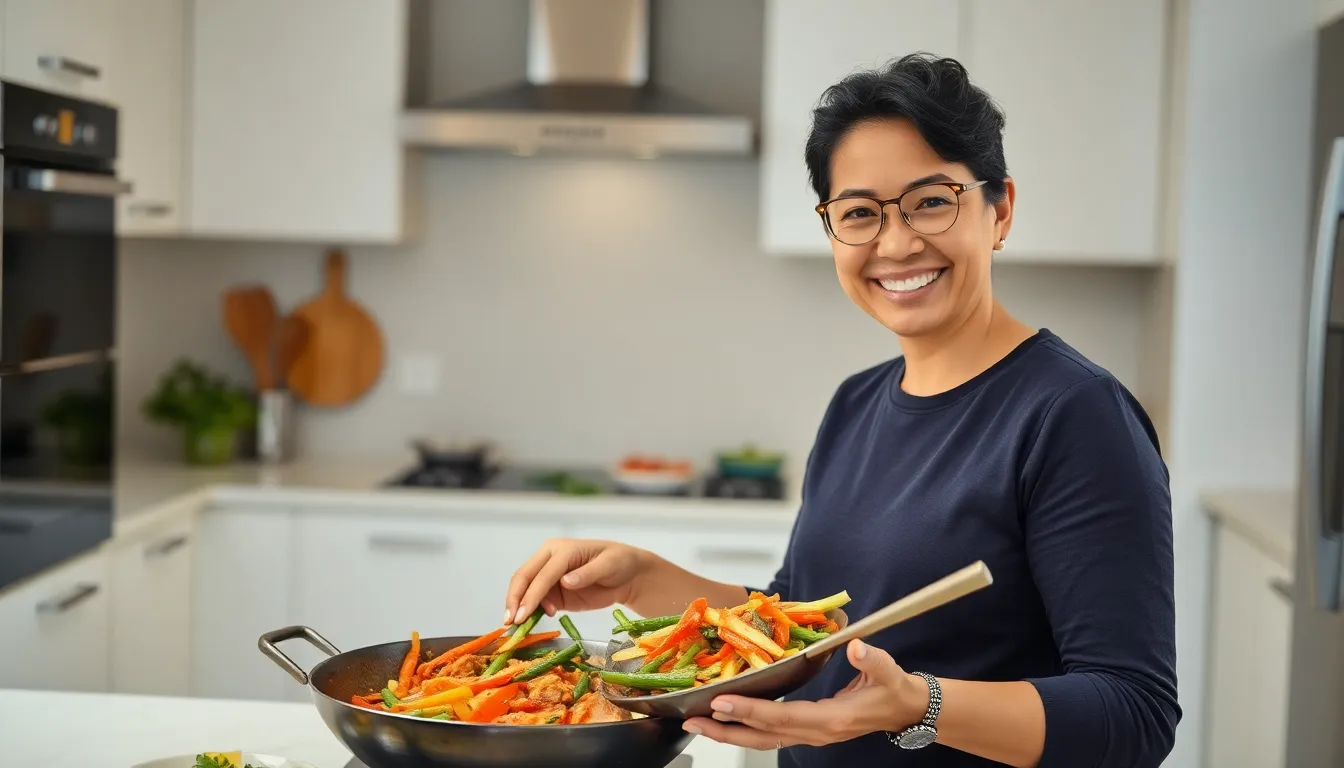
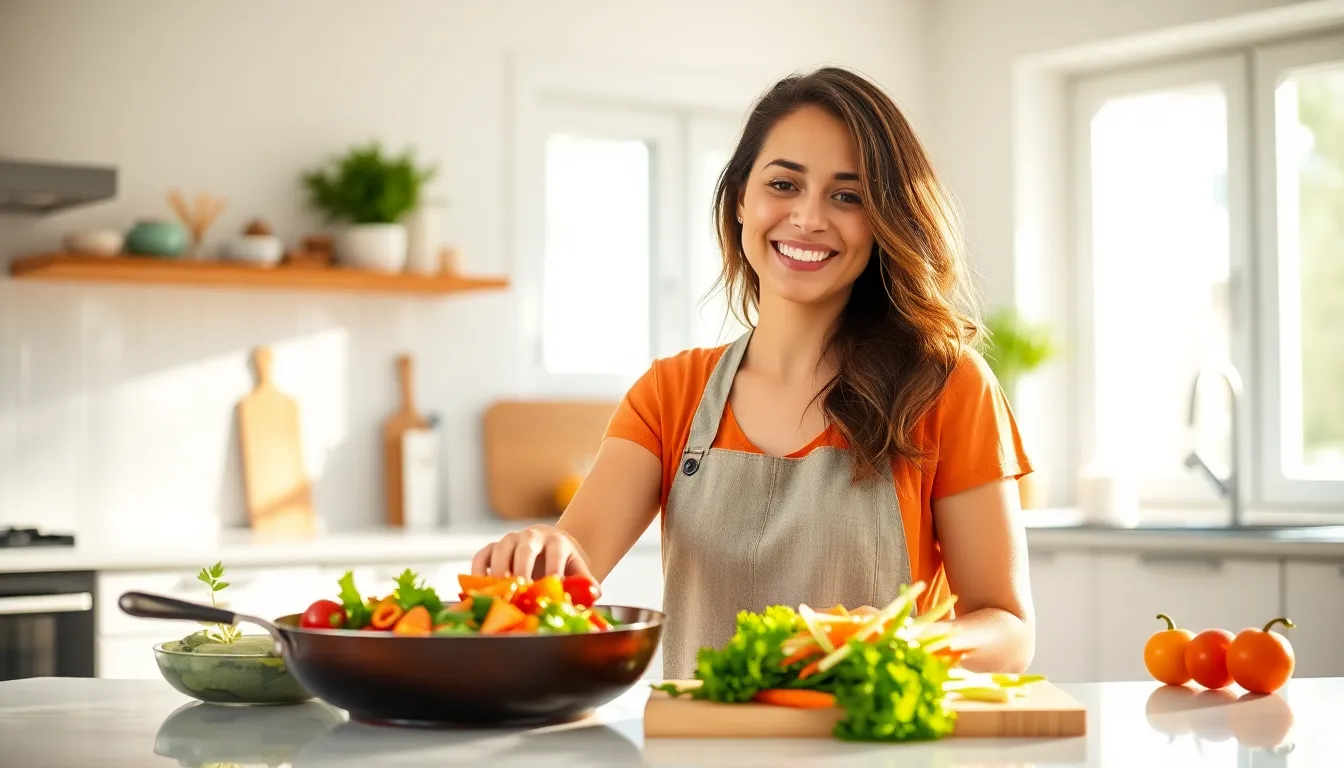
Easy cooking methods provide significant benefits, especially for those with busy lifestyles. They simplify meal prep, making it more enjoyable and less stressful.
Time-Saving Advantages
Easy cooking methods save time in meal preparation. One-pan dishes only require one cooking vessel, reducing the time spent on cleanup. Stir-fries cook quickly due to high heat and minimal ingredients, allowing meals to be ready in under 30 minutes. Slow cooking frees up time for other activities, as meals can be prepared in advance and left to simmer throughout the day. Overall, implementing these methods leads to efficient cooking, enabling individuals to manage their time better.
Healthier Meal Options
Easy cooking methods promote healthier meal options. Methods like steaming and boiling retain nutrients in vegetables, while stir-frying allows for quick cooking without losing essential vitamins. Cooking at home with simple techniques reduces reliance on processed foods, lowering sodium and unhealthy fat intake. One-pan meals can incorporate a variety of ingredients, ensuring balanced nutrition. By choosing quick and straightforward methods, individuals can create satisfying, nutritious meals tailored to their dietary needs.
Popular Easy Cooking Methods
Easy cooking methods simplify meal preparation while maintaining flavor and nutrition. This section highlights several popular techniques, each offering unique advantages.
One-Pot Meals
One-pot meals combine all ingredients into a single vessel, minimizing cleanup. These dishes often consist of proteins, grains, and vegetables, allowing flavors to meld during cooking. Popular examples include chili, casseroles, and risottos. Preparing one-pot meals can take 30 minutes to 1 hour, making them ideal for busy days.
Sheet Pan Dinners
Sheet pan dinners involve roasting ingredients on a single baking sheet, promoting even cooking. This method accommodates an array of proteins, vegetables, and seasonings for customized meals. Examples include chicken with seasonal vegetables and salmon with asparagus. Cooking times typically range from 20 to 45 minutes, depending on the ingredients. Sheet pan dinners simplify meal preparation and provide balanced nutrition in a single session.
Slow Cooking
Slow cooking relies on low heat over extended periods, allowing flavors to deepen and tenderize meats. Using a slow cooker, individuals can prepare soups, stews, and pot roasts effortlessly. Ingredients can be combined in the pot in the morning and left to cook throughout the day. Cooking times vary from 4 to 8 hours, providing flexibility for meal planning. This method encourages meal prep without constant monitoring.
Instant Pot Recipes
Instant Pot recipes utilize pressure cooking technology to expedite meal preparation. This multi-functional appliance can sauté, steam, and cook rice, making it highly versatile. Common dishes include hearty soups and stews, grains, and yogurt. Many recipes finish in less than 30 minutes, offering a quick solution for busy schedules. The Instant Pot locks in nutrients, making it a healthy choice for those seeking convenience.
Tips for Successful Easy Cooking
Success in easy cooking requires strategy and adaptability. Implementing effective meal prep strategies and considering ingredient substitutions can enhance both efficiency and creativity.
Meal Prep Strategies
- Plan Weekly Menus: Create a meal plan to streamline shopping and reduce daily decision-making.
- Batch Cook: Prepare larger quantities of meals and divide them into portions for easy reheating.
- Pre-chop Vegetables: Slice vegetables in advance for quick access during cooking sessions.
- Use Storage Containers: Utilize clear, labeled containers to keep prepped ingredients organized.
- Incorporate Versatile Ingredients: Choose adaptable ingredients, like grains and proteins, to create various dishes throughout the week.
- Set Cooking Days: Designate specific days for meal prep to ensure time is dedicated to this task.
Ingredient Substitutions
- Greek Yogurt for Sour Cream: Use Greek yogurt in dips or toppings to reduce calories and increase protein.
- Cauliflower Rice for White Rice: Substitute cauliflower rice to lower carbohydrate intake while maintaining volume.
- Zoodles for Pasta: Spiralized zucchini offers a low-carb alternative to traditional pasta in many recipes.
- Chickpeas for Meats: Replace meat with chickpeas in stews or salads for a plant-based protein boost.
- Coconut Oil for Butter: Opt for coconut oil in baking for a dairy-free fat choice that adds flavor.
- Vegetable Broth for Water: Use vegetable broth when cooking grains to infuse additional flavor without extra effort.
Embracing easy cooking methods transforms the kitchen experience for busy individuals. These techniques not only save time but also inspire creativity and promote healthier eating habits. By simplifying meal preparation, one-pan dishes and quick stir-fries make it easier to enjoy homemade meals without the usual stress.
Incorporating these methods into daily routines allows for a more enjoyable cooking process. With a little planning and the right strategies, anyone can create delicious meals that fit into their hectic lifestyles. Ultimately, easy cooking methods empower individuals to explore new flavors while maintaining a balanced diet, making every meal a satisfying experience.