When it comes to cooking, nothing quite matches the vibrant art of Chinese cuisine. Think of it as your passport to flavor town, where every dish tells a story with bold spices and incredible textures. From stir-frying to steaming, Chinese cooking techniques are both an art and a science. If you’ve ever wanted to impress your friends or simply treat yourself to a culinary adventure, diving into these techniques is the way to go. Buckle up, because we’re about to stir things up in the kitchen.
Overview of Chinese Cooking Techniques
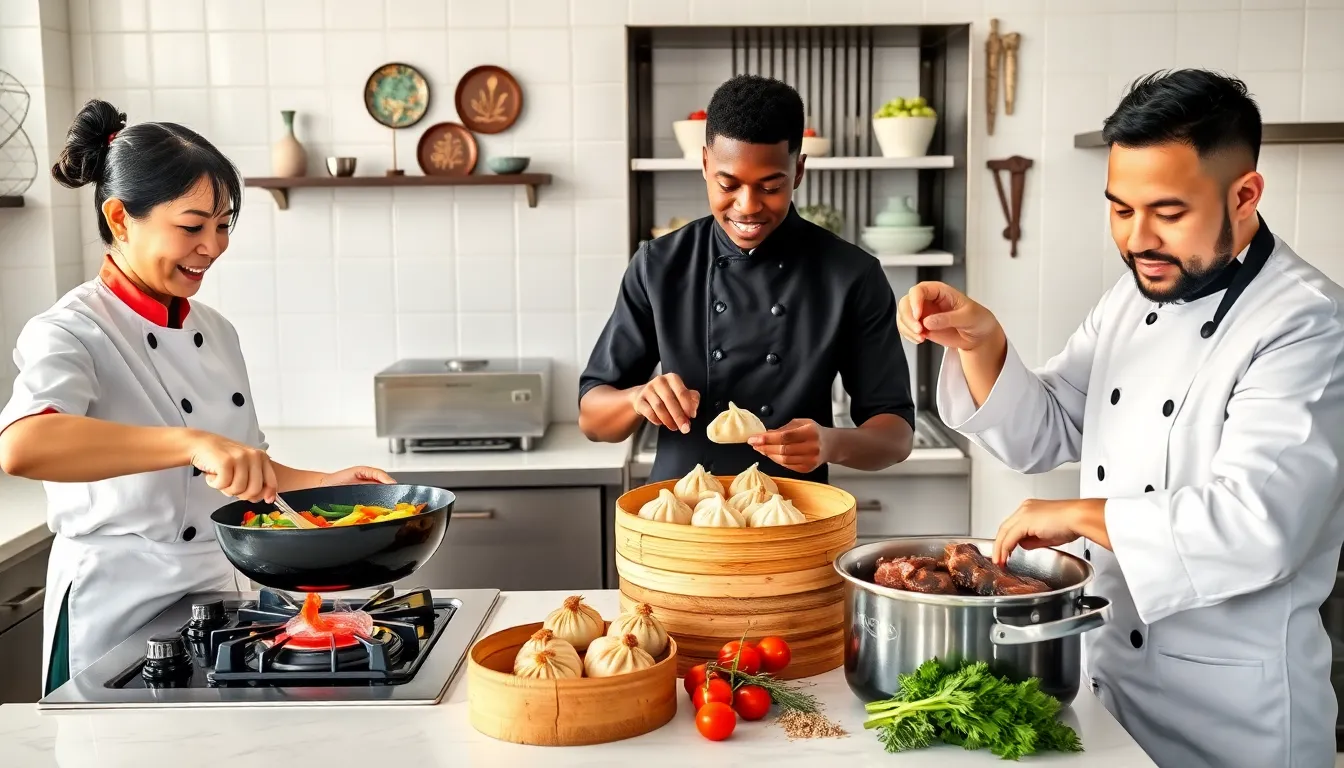
Chinese cooking is a tapestry woven with history and tradition, showcasing a variety of techniques that make it special. Each method brings out distinct flavors and textures, allowing home cooks to craft dishes that mystify palates. Common techniques include stir-frying, steaming, braising, deep-frying, roasting, and sautéing. Each technique has its own unique set of skills and cooking styles designed to maximize flavor while ensuring the dish’s integrity.
These methods not only deliver taste but also highlight the importance of fresh ingredients. Seasonality often dictates what can be used, adding an element of surprise and excitement to the cooking process. Understanding these techniques shapes a cook’s ability to create authentic Chinese dishes, each bite an adventure.
Stir-Frying: The Quick and Versatile Method
Stir-frying stands out as the go-to technique for quick meals that explode with flavor. Picture a hot wok sizzling with a colorful array of vegetables and tender proteins, all tossed together in a matter of minutes. It’s not merely about speed: it’s also about intensity. The high heat allows ingredients to cook quickly while retaining their nutrients and crispness.
The secret lies in preparation. A successful stir-fry relies on having everything prepped in advance, from chopping vegetables to marinating proteins. Once the wok reaches its optimal temperature, toss in the ingredients in a specific order: usually starting with proteins, followed by harder vegetables, and finishing with softer ones.
A splash of soy sauce, garlic, and ginger rounds out the flavor profile, creating a dish that’s complex yet easy to replicate. Experimentation is key, so mixing and matching ingredients can lead to tasty new creations.
Steaming: Preserving Flavor and Nutrients
Steaming is undeniably one of the healthiest Chinese cooking methods, focusing on preserving the natural flavors and nutrients of food. Think of dumplings and buns drifting gracefully in a bamboo steamer, their aromas wafting tantalizingly through the air.
This technique primarily relies on moist heat, which prevents food from drying out while cooking. The flavors meld beautifully, every bite bursts with freshness. It’s no wonder that steaming is a favorite for health-conscious individuals looking to enjoy delicious meals without compromising nutritional value.
To master steaming, investing in a good steamer setup is essential. Whether opting for a traditional bamboo steamer or a modern electric model, ensure to layer ingredients by cooking time, fragile items should be timed for the last moments of steaming. Pair your dishes with minimal seasoning to let their natural flavor shine.
Braising: Slow-Cooked Depth of Flavor
Braising is the unsung hero of Chinese cooking techniques. It’s a slow-cooking method that blends both moist and dry heat, resulting in dishes that are flavorful and tender. Imagine a pot filled with meaty chunks of pork belly, herbs, and spices simmering away for hours, mouth-watering, isn’t it?
This technique works wonders with tougher cuts of meat, breaking down the fibers for succulent results. Starting with browning the protein adds a deep umami flavor, followed by adding liquids like broth or sauce to create a rich base. Flavor builds as it cooks slowly, often encompassing soy sauce, rice wine, and spices like star anise and ginger.
The result? A dish that warms the belly and fulfills the soul. Braising can be a relaxing try, perfect for lazy weekends or impressing guests. Let the pot do the work while you sip tea and enjoy the aromas.
Deep-Frying: Achieving Crunchy Textures
Deep-frying represents the fun side of Chinese cooking, think crispy spring rolls or golden-brown wontons that practically sing when you bite into them. This method uses hot oil to create a barrier that locks in moisture while giving food an irresistible crunch. Each ingredient transforms with the heat, creating a contrast between a crispy exterior and a tender interior.
Using the right oil is crucial for achieving optimal results: high smoke point oils like peanut or canola are ideal. Batter matters as well. A light batter can yield airy results, while heavier batters might provide a more robust crunch.
Control of temperature is equally important, if the oil is too hot, food burns: if too cold, results can be oily and soggy. Proper frying techniques may take time to master, but once grasped, the endless variety of ingredients you can deep-fry can lead to culinary experimentation.
On that note, don’t forget the dipping sauces. Sweet and sour, spicy, or fragrant sesame oil can elevate deep-fried delicacies to a new level.
Roasting: Creating Bold Flavors
Roasting holds a significant place in Chinese cuisine, often characterized by a smoky and caramelized outer layer. Imagine Peking duck, its skin crisp and golden, bursting with flavor. Roasting allows for incredible depth in both flavor and texture, often utilizing spices and marinades that penetrate the meat.
The technique typically incorporates dry heat, making it different from braising or steaming. It’s vital to allow adequate time for the meat to tenderize steadily in the oven. Seasoning plays a key role here: often a mix of five-spice powder, soy sauce, and honey can create a glaze that adds complexity.
Plus to meats, vegetables can also be roasted to enhance their natural sweetness. Carrots, sweet potatoes, and bell peppers all caramelize beautifully when roasted, proving this technique’s versatility.
Sautéing: A Foundation Technique
Sautéing might seem basic, but don’t underestimate its importance in Chinese cooking. This technique involves cooking food quickly over relatively high heat with a small amount of oil. It serves as a versatile foundation, often preparing the way for more elaborate dishes.
A well-seasoned cast-iron skillet or non-stick pan is perfect for the job. For maximum flavor, start with aromatics like garlic and onions, allowing their fragrance to fill the kitchen before adding vegetables or proteins. Timing is crucial: ingredients should be cooked just enough to retain their freshness and crunch while developing rich, caramelized flavors.
Sautéing sets the tone for countless Chinese recipes. It’s great for stir-frying and can be an underlying technique for braising and roasting, making it a must-know for anyone passionate about Chinese cuisine.