Ever wondered why your sautéed vegetables don’t taste as good as those from your favorite restaurant? Or maybe you find yourself staring at a recipe, overwhelmed by the terminology? Don’t worry: mastering the art of cooking doesn’t require a degree from a culinary school. With just a few basic cooking techniques under their belt, anyone can elevate their home-cooking game from bland to brilliant. Let’s jump into the essentials that will make your kitchen adventures delightful and dishes delectable.
Understanding Cooking Techniques
The Importance of Cooking Techniques
Cooking techniques are the backbone of any culinary creation. By understanding the various methods of preparing food, one can not only enhance flavor but also retain the nutritional qualities of ingredients. Cooking isn’t just about following recipes: it’s about transforming raw ingredients into something truly special. Whether it’s the difference between boiling and steaming or the right way to sear meat, knowing these techniques makes a world of difference.
Common Cooking Techniques Overview
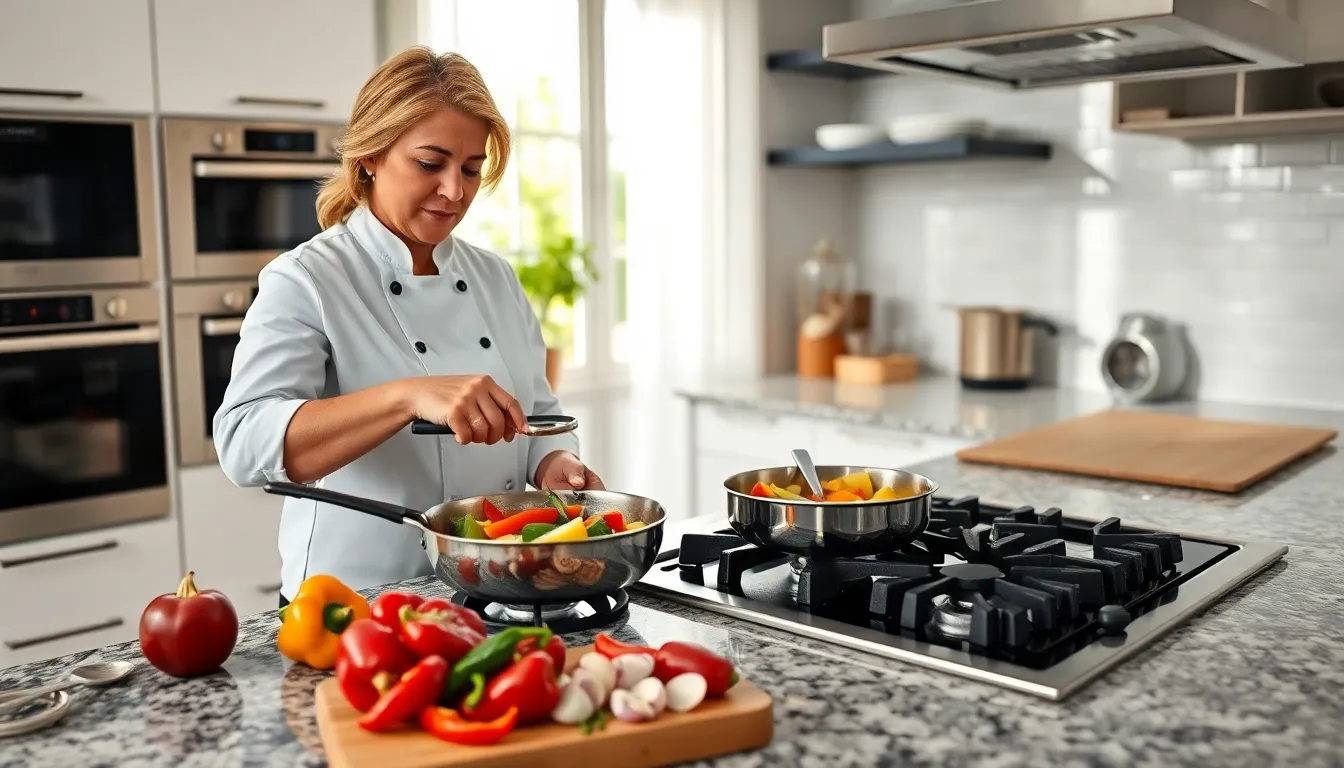
So, what are the most common techniques one should know? At the core, they encompass sautéing, boiling, baking, roasting, and grilling. Each method brings unique flavors and textures to the table. Sautéing, for instance, is a quick way to cook vegetables, while roasting develops a sweet caramelization in meats. Understanding each technique will arm cooks with the versatility required to tackle any recipe with confidence.
Essential Tools for Cooking Techniques
No great chef is complete without their trusty set of tools. Essential tools for cooking encompass pots, pans, knives, cutting boards, and measuring spoons, all fundamental in applying various techniques effectively. Investing in quality cookware means less frustration in the kitchen and more delicious meals on the table. A sharp chef’s knife can make peeling and chopping efficient, while a non-stick pan ensures that food doesn’t stick, making the cooking and cleaning process hassle-free.
Techniques for Preparing Ingredients
Techniques for Cooking Food
Preparation is half the battle in cooking. Techniques such as chopping, dicing, and mincing not only affect how long ingredients will take to cook but also influence the overall flavor distribution. Each size and shape brings something unique to a dish, leading to varied textures that can elevate a meal from mere sustenance to an experience.
Moist Heat Cooking Methods
Moist heat cooking methods include boiling, steaming, and poaching. These techniques are excellent for cooking delicate foods like eggs and fish, which benefit from gentle heat. Steaming, for example, not only cooks food evenly but also preserves vital nutrients, making it a health-conscious choice.
Dry Heat Cooking Methods
On the flip side, dry heat cooking methods like baking and roasting work their magic by using air or fat to cook food. These methods often enhance flavors, add crunch, and develop beautiful color on the food’s exterior. Whether it’s tenderizing a juicy roast or achieving the perfect crusty bread, mastering dry heat methods is essential for any aspiring cook.
Combining Techniques for Flavor
One of the keys to delicious cooking lies in the ability to combine techniques. For instance, one can first sear meat in a hot pan to lock in flavors and then switch to slow braising for tenderness. This combination not only enhances the dish’s depth but also introduces a symphony of textures. Creativity in the kitchen means experimenting with various methods until finding the perfect balance for each dish. So don’t hesitate to meld techniques to express culinary artistry.
Experimenting with Techniques
Culinary arts thrive on experimentation. Although recipes provide guidelines, it’s crucial to venture out of comfort zones. Whether that means trying the sous-vide method, mixing spices usually reserved for certain cuisines, or even grilling fruits, exploration can lead to delightful surprises. With practice and curiosity, every home cook can uncover their unique flavor profiles and cooking styles.
Tips for Mastering Basic Techniques
Mastering basic techniques requires patience and practice. Start by focusing on a specific technique each week. For instance, dedicate one week to perfecting the art of sautéing. Watch tutorials, read up on tips, and don’t shy away from making mistakes. Mistakes are often the best teachers in the kitchen. Have fun, and soon enough, these techniques will feel like second nature.