
Food is more than just fuel; it’s a passport to adventure. Every bite tells a story, and world cuisine serves up a delicious platter of cultures, traditions, and flavors waiting to be explored. From the spicy streets of Bangkok to the cozy trattorias of Tuscany, each dish is a culinary masterpiece that beckons food lovers to take a global tour without ever leaving their kitchen.
Imagine savoring a fragrant curry that dances on your taste buds or indulging in a rich chocolate mousse that could make a grown chef weep. World cuisine isn’t just about eating; it’s about experiencing the world one delectable dish at a time. So grab your fork and get ready to embark on a flavorful journey that’ll have you saying “yes, please” to every exotic bite. Who knew expanding your palate could be this much fun?
Overview Of World Cuisine
World cuisine reflects the diverse cultural identities and traditions across the globe. It showcases the unique flavors and techniques that shape culinary practices in various regions. Each major cuisine, such as Italian, Indian, and Japanese, features distinctive ingredients and cooking methods, offering endless exploration possibilities.
Regional dishes often incorporate local produce, spices, and cooking styles. For example, Mexican cuisine emphasizes corn, beans, and chili peppers, while Mediterranean cuisine highlights olive oil, fresh herbs, and seafood. Each dish tells a story, revealing the history and influences that have shaped it.
Street food plays a crucial role in world cuisine, providing an authentic taste of local culture. Street vendors in cities like Bangkok and Mumbai serve quick, flavorful options that connect residents and tourists to the nation’s culinary heritage. Exploring marketplaces offers a chance to discover hidden gems and traditional recipes passed down through generations.
Culinary fusion has emerged from globalization, blending techniques and flavors from various cultures. This blending often leads to innovative dishes that redefine traditional boundaries. For instance, Korean-Mexican fusion cuisine has gained popularity, exemplifying the creativity that comes from combining distinct culinary elements.
Understanding world cuisine fosters appreciation for the traditions and cultures behind each dish. Engaging with diverse food experiences not only satisfies hunger but enriches knowledge. Exploring international dishes provides an opportunity to expand one’s culinary horizons while celebrating cultural diversity.
Key Features Of World Cuisine
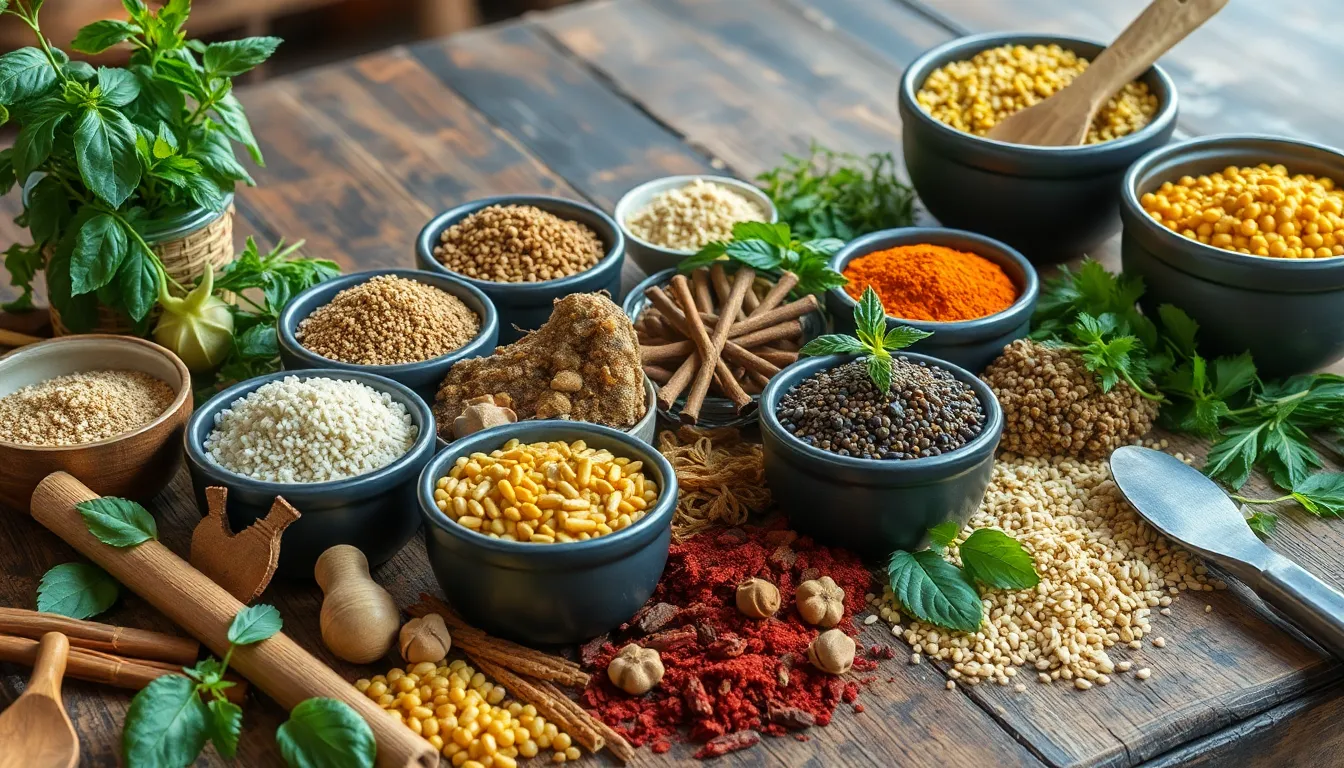
World cuisine features a rich tapestry of flavors and traditions, reflecting cultural identities across the globe. Each region showcases unique characteristics that enhance culinary exploration.
Diversity Of Ingredients
Ingredients in world cuisine vary tremendously, highlighting local produce and regional specialties. Herbs, spices, grains, and proteins contribute to distinctive flavors. For instance, Indian cuisine emphasizes spices like cumin and turmeric, while Italian cuisine employs fresh basil and olive oil. These elements convey stories of geography and history. Regional ingredients like corn in Mexico and rice in Asia also illustrate how environments shape culinary practices. Culinary enthusiasts discover that every dish connects back to the land, offering a deeper appreciation for the cuisine’s origin.
Cooking Techniques
Cooking techniques in world cuisine reflect cultural practices and innovations. Techniques vary from grilling and steaming to sautéing and braising, each creating unique textures and flavors. Japanese cuisine employs precision techniques like sushi rolling and tempura frying, while French cooking utilizes methods like sous-vide and confit. Each technique carries its own significance and history. For example, fermentation in Korean cuisine not only preserves food but also adds complexity to flavors. Exploring these techniques reveals the skill and artistry involved in global culinary traditions.
Popular Cuisines Around The Globe
World cuisine encompasses a rich tapestry of flavors and cooking techniques. Each region offers distinct culinary traditions, reflecting its culture and history.
Asian Cuisine
Asian cuisine features a blend of ingredients and flavors that entice the palate. Dishes such as Thai green curry burst with spices, while Japanese sushi showcases fresh seafood. Rice serves as a staple across many Asian cultures, complemented by vibrant vegetables and aromatic herbs. Street food stalls in cities like Bangkok and Hanoi present local delicacies, allowing anyone to sample authentic dishes. Additionally, the use of soy sauce and chili paste amplifies the dynamic taste profiles in many recipes.
European Cuisine
European cuisine illustrates diversity through regional specialties and traditional ingredients. Italian pasta portrays craftsmanship, with fresh tomatoes and basil elevating classic dishes. French cuisine emphasizes technique, showcasing culinary arts such as soufflés and coq au vin. Rich cheeses and wines complement meals across countries like France and Spain. In the UK, hearty meals like fish and chips offer a glimpse into local comfort food traditions. Each nation contributes unique flavors and cooking styles, creating a delightful melting pot of gastronomic experiences.
African Cuisine
African cuisine holds an array of vibrant flavors and communal eating traditions. Staples like injera in Ethiopia and fufu in West Africa embody the cultural significance of sharing meals. Spices such as berbere and harissa give depth to dishes, while local ingredients reflect the continent’s geography. Traditional cooking methods, like braising and stewing, preserve flavors and enhance textures. Street markets serve as vibrant hubs for experiencing local specialties, reminding visitors of the cultural connections present in every dish.
Latin American Cuisine
Latin American cuisine is known for its bold flavors and diverse influences. Dishes such as Mexican tacos highlight fresh ingredients, while Peruvian ceviche showcases the region’s seafood. Staples like corn and beans are prevalent, often prepared with local spices. In Brazil, the use of tropical fruits adds a refreshing twist, while Argentina’s grilled meats highlight barbecue traditions. Street vendors serve irresistible snacks, providing easy access to authentic local fare. Each country draws on its history, creating unique culinary masterpieces.
The Role Of World Cuisine In Cultural Exchange
World cuisine plays a significant role in facilitating cultural exchange among people. Each dish carries its own story, reflecting the history, traditions, and values of its origin. Culinary practices create bridges between different cultures, enabling individuals to experience and appreciate diverse heritages through taste.
Eating traditional foods introduces flavors and ingredients unique to specific regions. For example, Indian curry showcases spices like cumin and turmeric, while Italian pasta highlights fresh herbs and olive oil. Sampling these dishes fosters a deeper connection to the cultures behind them, making cuisine a powerful medium for cultural understanding.
Street food serves as a vital component of cultural exchange. Vendors in cities such as Bangkok and Mumbai present authentic local flavors, allowing visitors to interact with communities. Tasting these quick, vibrant meals immerses people in the local way of life, promoting a sense of belonging and shared experience.
Culinary fusion represents another avenue for cultural interaction. Globalization has led to the blending of techniques and flavors from various cuisines. This innovative approach generates unique dishes that reflect the merging of traditions, highlighting how food evolves and adapts over time.
Participation in cooking classes allows individuals to learn about culinary techniques firsthand. Engaging with local chefs provides insights into cultural practices and encourages collaboration and appreciation. Exploring different cuisines through cooking fosters reciprocal exchanges, enriching both culinary skills and cultural knowledge.
Sharing meals remains a universal practice that promotes connection across cultural boundaries. Gathering around a table creates opportunities for dialogue, understanding, and community-building. Thus, world cuisine not only nourishes but also enriches cultural interactions, enhancing the shared human experience.
Exploring world cuisine opens the door to a vibrant tapestry of cultures and traditions. Each dish offers a unique narrative that enhances understanding and appreciation of diverse culinary practices. The flavors and ingredients reflect the history and values of their origins, inviting enthusiasts to embark on a journey of taste and discovery.
Street food serves as a bridge between locals and visitors, showcasing authentic flavors and fostering connections. Culinary fusion highlights the evolution of food as it adapts and blends across borders. Engaging with world cuisine not only enriches one’s palate but also deepens cultural awareness, promoting a sense of community and shared experiences. Embracing this culinary adventure can transform the way one views food and its role in the global narrative.